
Yeasts are more than biotechnology and biotechnology is more than yeasts, but the two of them have been intertwined throughout human history.
Many ancient civilizations developed ways to use yeasts in large scales to produce alcoholic drinks early in their history. Also, the industrial production of these drinks has fueled scientific discoveries important not only for yeast biology but for biology in general. Finally, the current biotechnological developments have yeasts as one of the main players, and even though these technologies might be seen as new, they started long ago before humans developed writing records.
The aim of Yeastory is to collect articles that show the history of yeasts seen from a human perspective, since their early domestication to the latest research in their potential applications.
For the moment, articles will be divided in three sections.
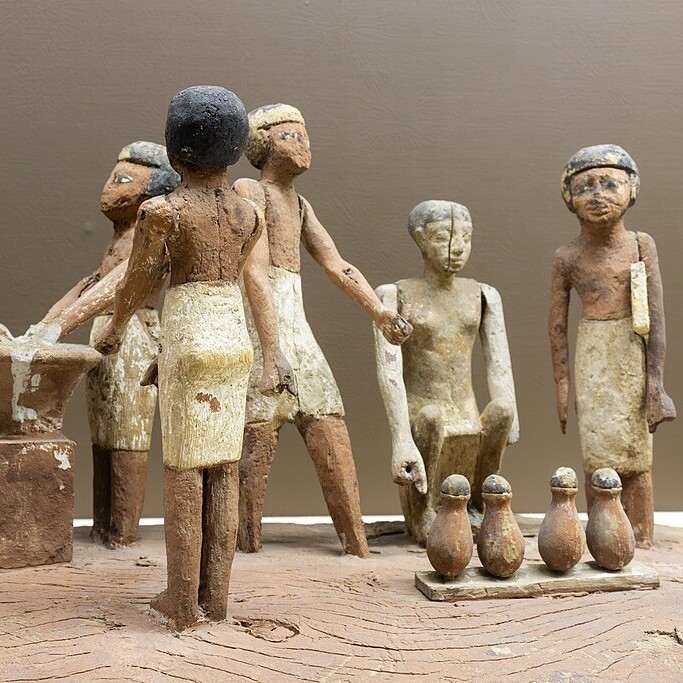
In Archaeology, the role of yeasts in early civilizations will be explored, as well as their diversity in traditional food production around the world. Genetic studies that aim to dissect the natural history of yeasts, or the evolution through domestication will also be included here.
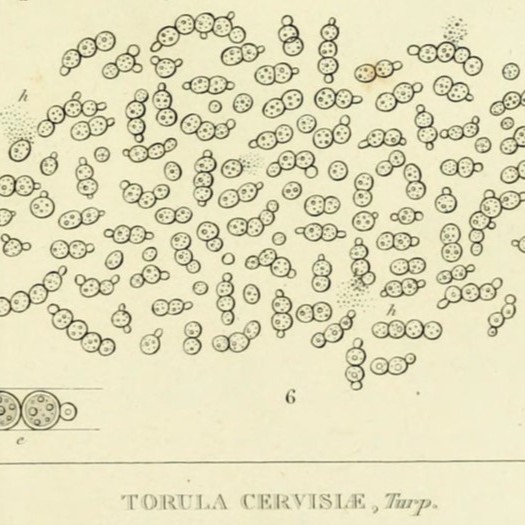
In Science, there will be a series or articles exploring the development of research in yeasts since their discovery as living organisms in the beginning of the 19th century. For this section I will rely on a series of articles published between 1998 and 2010 by the late James A. Barnett. He dedicated his life to yeast research both in the University of Cambridge and the Institute of Food Research in Norwich, and besides the collection of articles on the History of Yeast Research, he also co-authored a handbook for the identification and characterization of 963 species of yeasts.
In Biotechnology, recent developments on applying yeasts beyond food production are described. This part will have less of a historical approach because of the current development in these areas, but important breakthroughs in the last years will be highlighted.
 English
 Spanish