
The alternative to fermentation: Respiration in yeasts
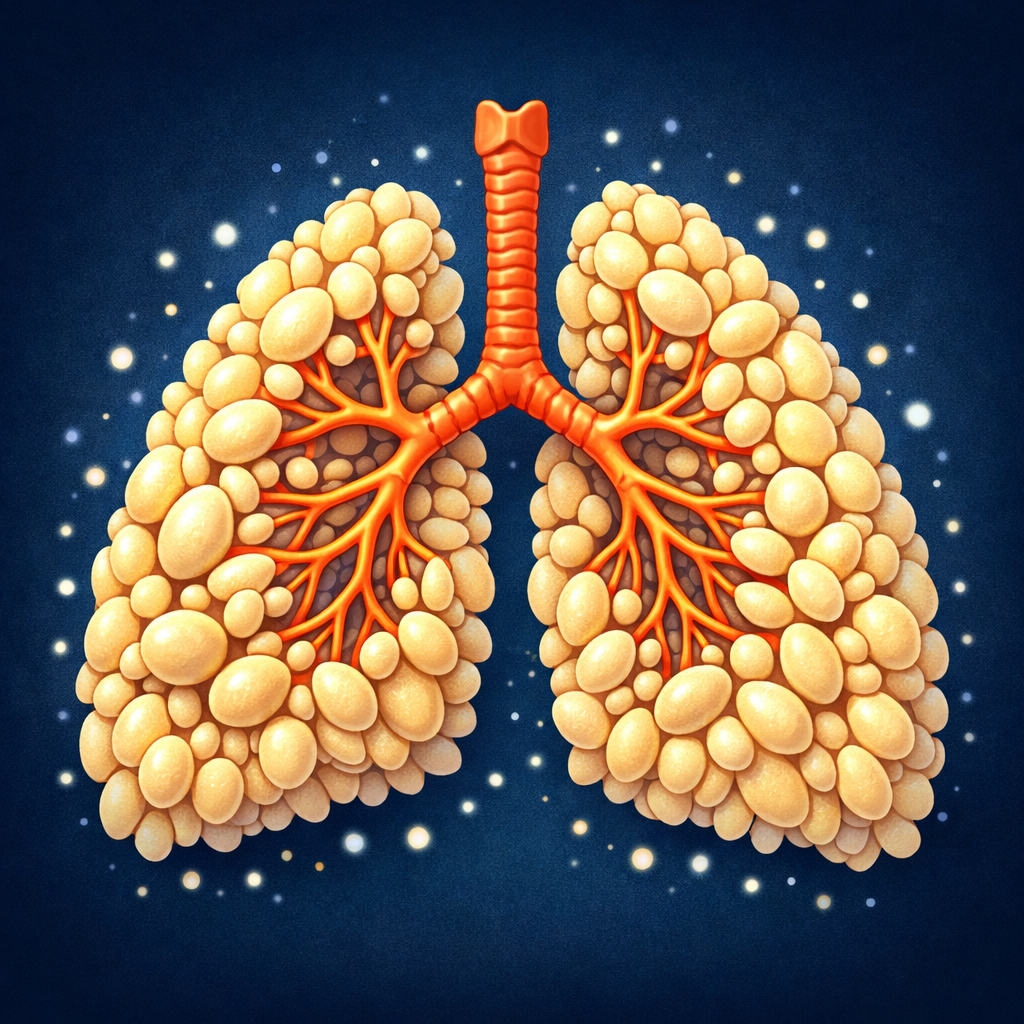
The concept of breath has been associated with life force in many cultures around the world, from the Greek pneuma to the Maori Hā, or the Inuit Anirniq. The scientific study of breathing began in 1777, when Lavoisier identified the gases important for our breath: oxygen is consumed, and carbon dioxide is produced. Unlike humans, […]
Deciphering fermentation steps
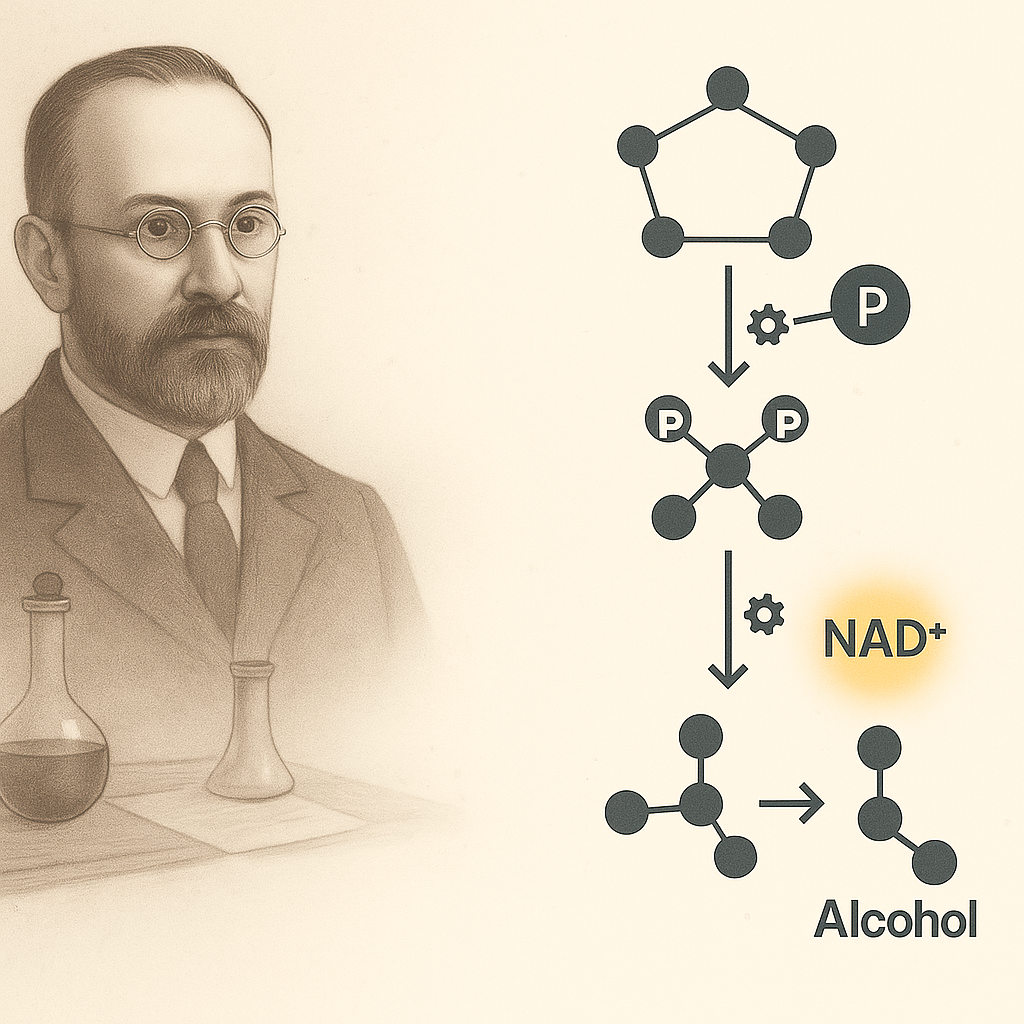
In 1897, Buchner used a cell-free extract from yeast to carry out fermentation. This was a breakthrough that showed that chemical reactions associated with life did not depend directly on the presence of a living organism. Buchner called the extract zymase, with the idea that there was just one component responsible for transforming sugar into […]
The Natural History of Baker’s Yeast
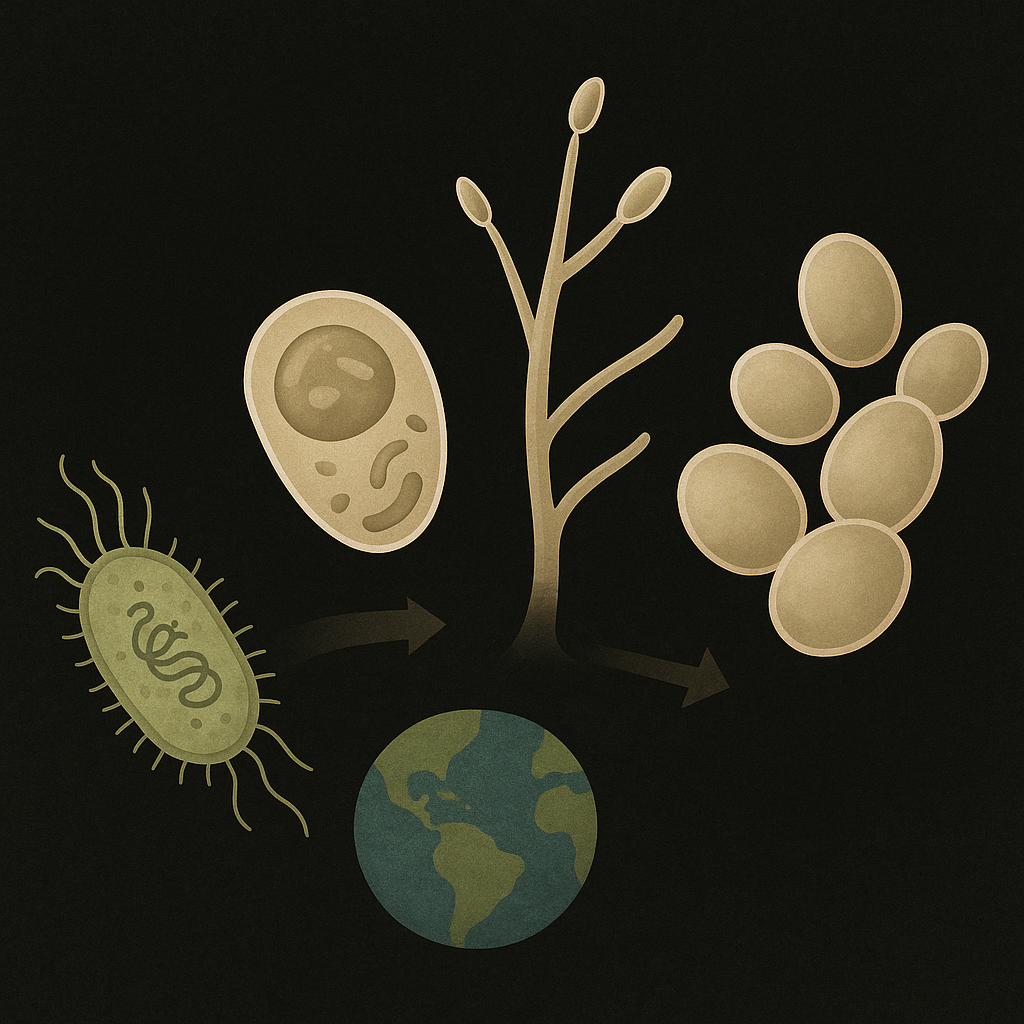
Almost all articles in this blog highlight the special relationship between humans and yeasts, particularly baker’s yeast. While this partnership has been going on since the start of human civilization, humans did not create baker’s yeast and in fact, yeasts have been here for a much longer time. Here is the story of baker’s yeast […]
Pure yeasts and cell-free fermentation

By the end of the 19th century, there had already been substantial advances in yeast research. It had been proven that yeasts were living organisms and that fermentation was a biological process. The introduction of the enzyme concept allowed scientists to differentiate between the active principles secreted by yeasts (e.g., invertase, which converts sucrose into […]
Yeasts and the discovery of their life

Yeasts have always been used by humans but only in the beginning of the 19th century it was discovered that they are living organisms
 English
 Spanish