
The alternative to fermentation: Respiration in yeasts
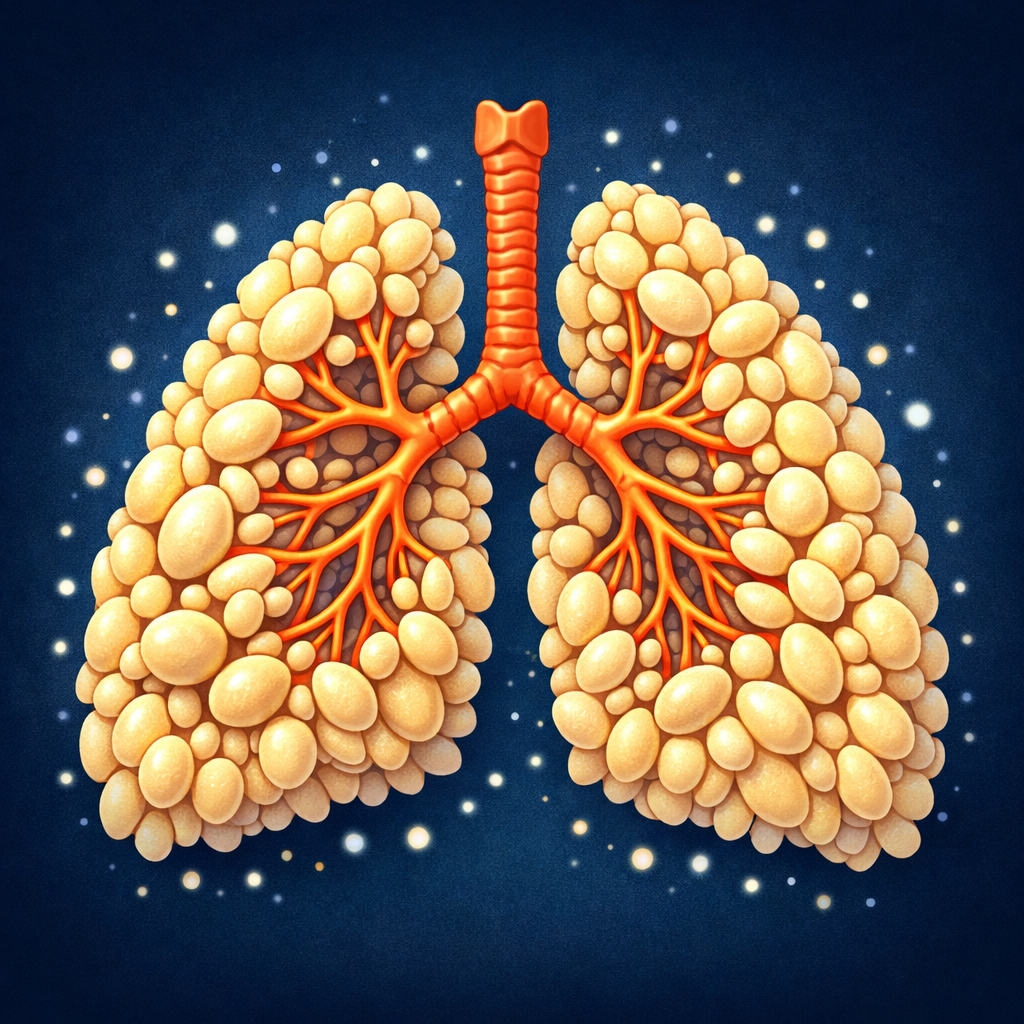
The concept of breath has been associated with life force in many cultures around the world, from the Greek pneuma to the Maori Hā, or the Inuit Anirniq. The scientific study of breathing began in 1777, when Lavoisier identified the gases important for our breath: oxygen is consumed, and carbon dioxide is produced. Unlike humans, […]
In the search of the first alcoholic drink: Prehistoric brewing
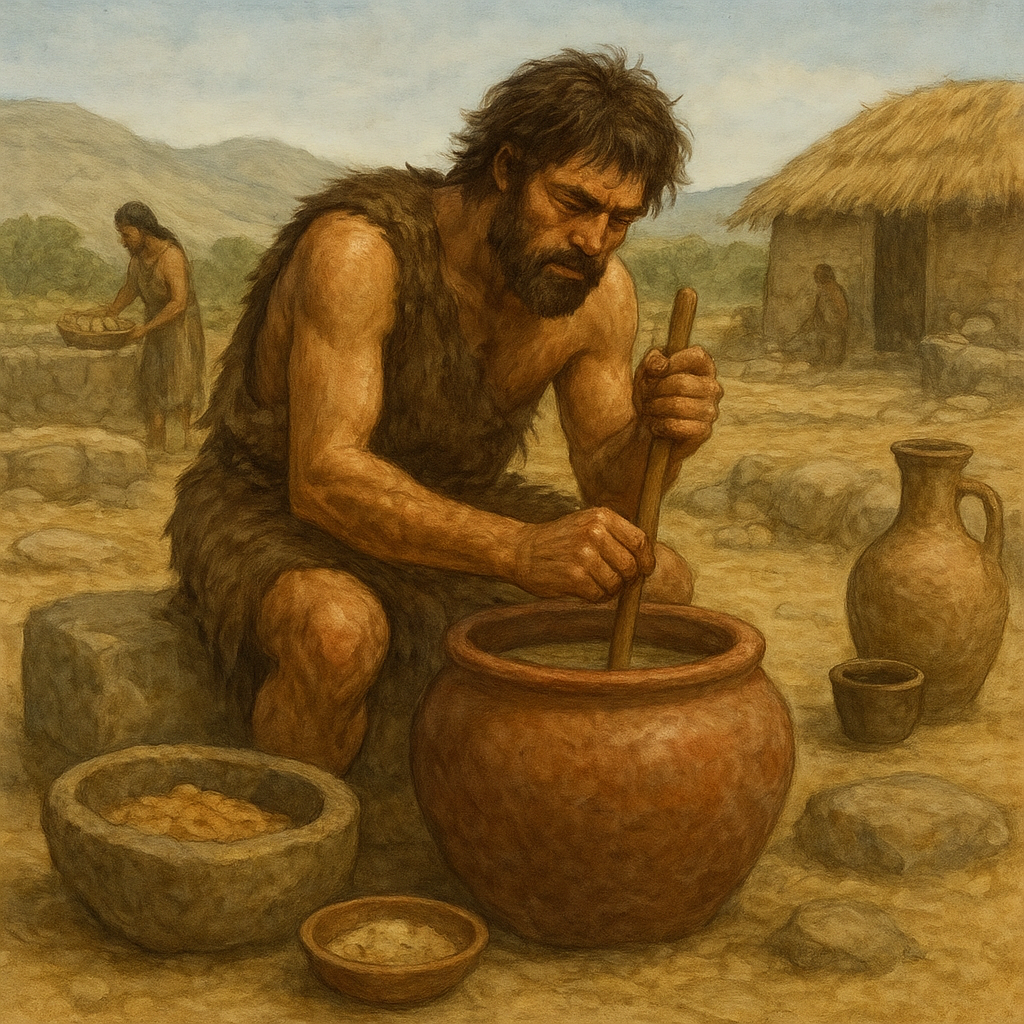
Many cultures have produced alcoholic drinks across regions, climates, and epochs. It is beyond doubt that alcohol production has appeared independently in different places around the world. However, the question remains about the first culture that used fermentation to produce alcoholic drinks. This question may never be solved, and it might not even make sense […]
Deciphering fermentation steps
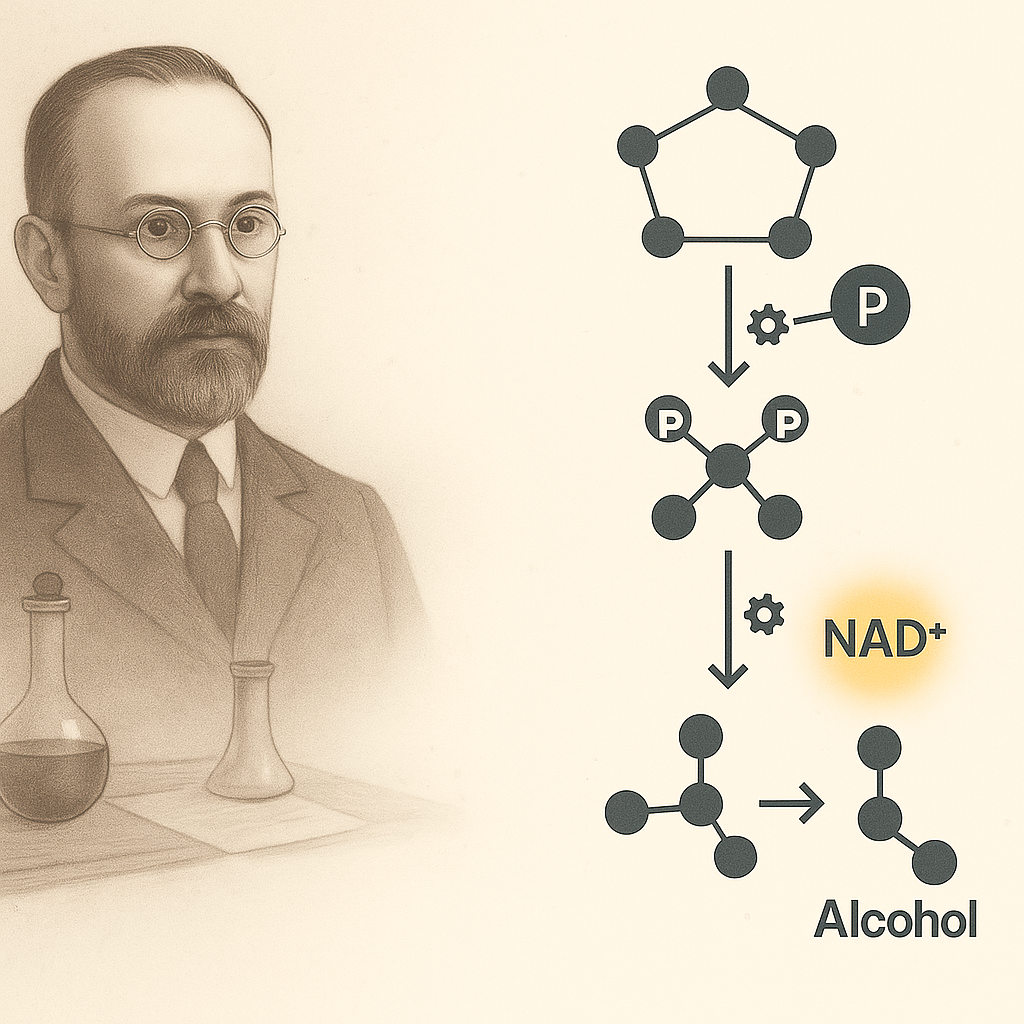
In 1897, Buchner used a cell-free extract from yeast to carry out fermentation. This was a breakthrough that showed that chemical reactions associated with life did not depend directly on the presence of a living organism. Buchner called the extract zymase, with the idea that there was just one component responsible for transforming sugar into […]
Active Dry Yeast: From Mummification to Resurrection
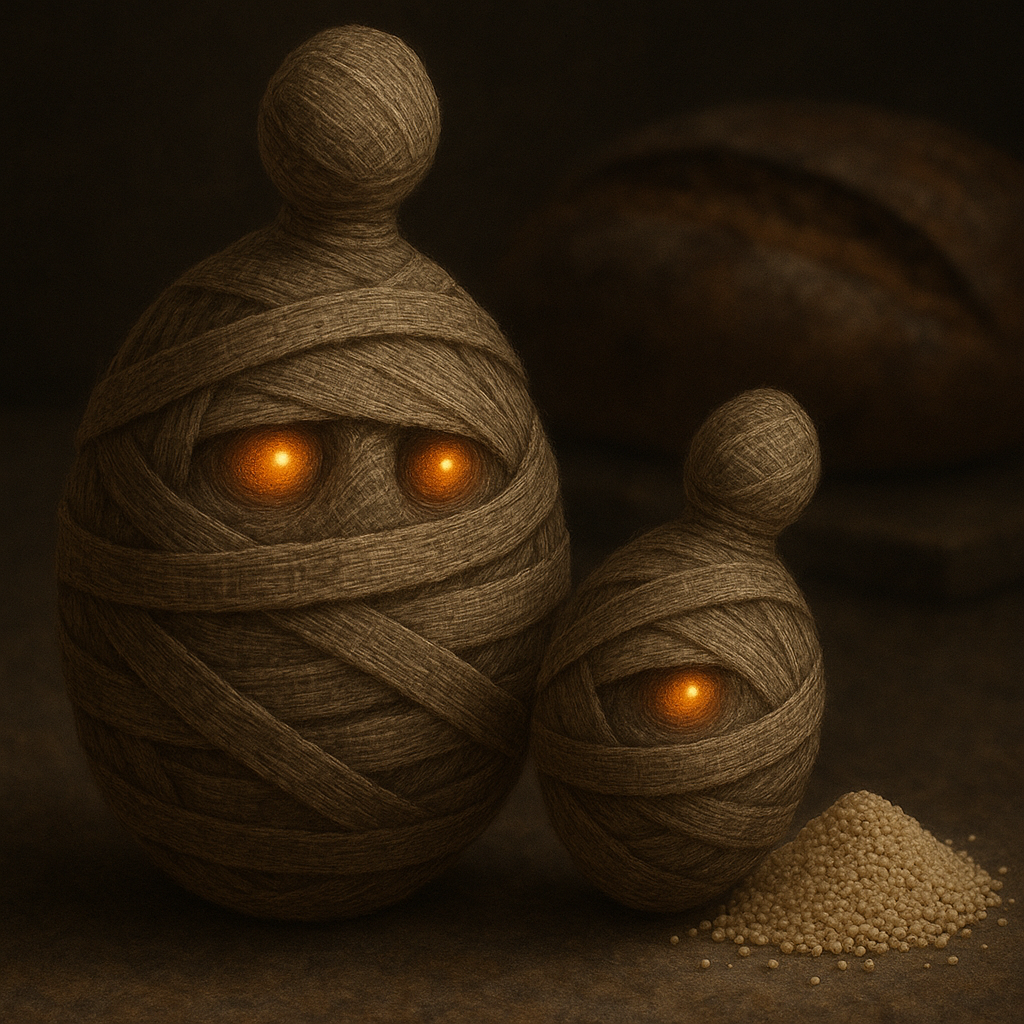
The use of dry yeast in bakery and beyond has many economic advantages. However, without control, dried yeasts normally die and become inactive. This limitation led to a race to develop processes to maintain yeast life during desiccation and rehydration, to produce good-quality Active Dry Yeast. This path was not easy, though, and while plenty […]
Yeast and Mold in Chinese alcohol fermentation
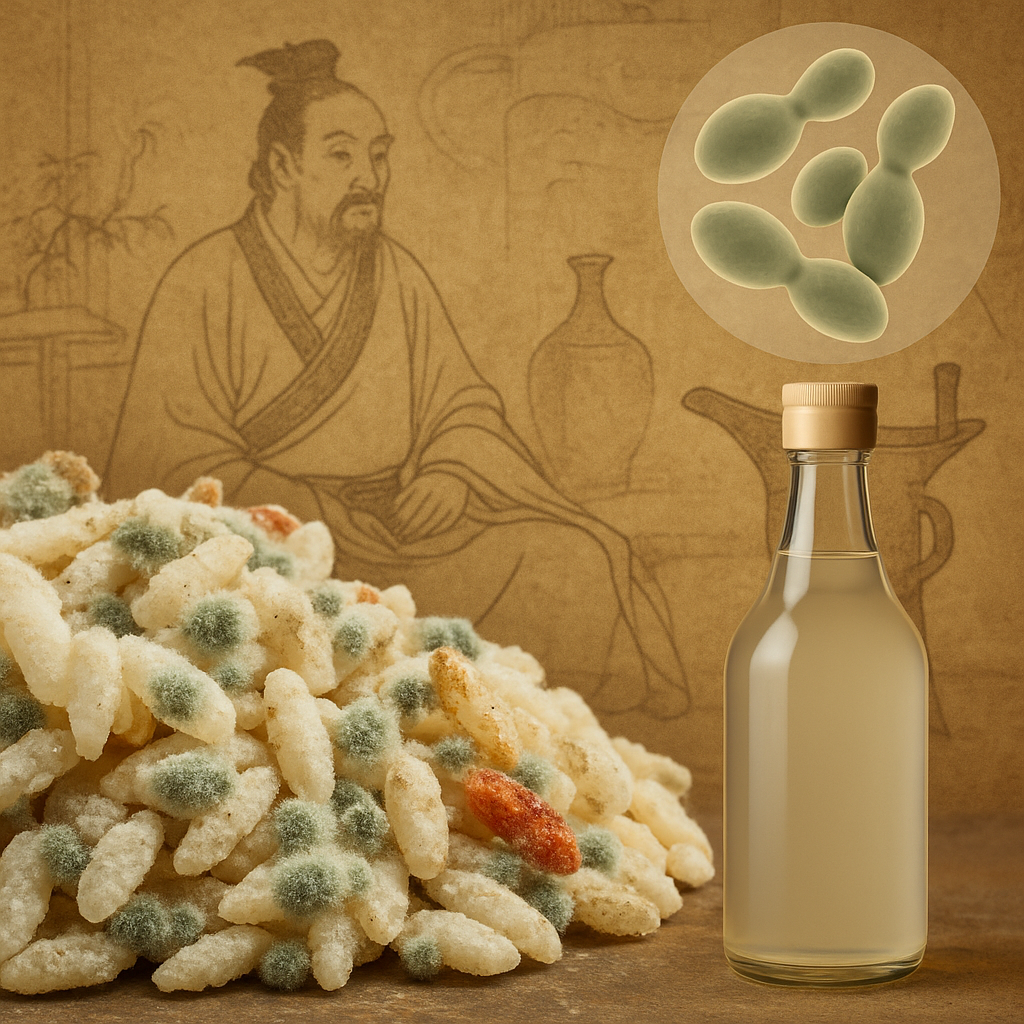
During the last years, it has become clear that East Asia is the place of origin for baker’s yeast. It may not be then a coincidence that one of the earliest records of alcohol production come from China, even if alcohol production has been developed in different parts of the world independently. Alcoholic beverages from […]
Pure yeasts and cell-free fermentation

By the end of the 19th century, there had already been substantial advances in yeast research. It had been proven that yeasts were living organisms and that fermentation was a biological process. The introduction of the enzyme concept allowed scientists to differentiate between the active principles secreted by yeasts (e.g., invertase, which converts sucrose into […]
The link between Louis Pasteur and enzymes

The guy from pasteurization Louis Pasteur, born in 1822, in Dole, France, was a pioneering chemist and microbiologist whose work has had a profound impact on science and medicine. Raised in a modest family, Pasteur showed an early aptitude for science and pursued his education diligently, eventually earning a doctorate in chemistry from the École […]
Yeasts and the discovery of their life

Yeasts have always been used by humans but only in the beginning of the 19th century it was discovered that they are living organisms
Ninkasi, Mesopotamia and Beer
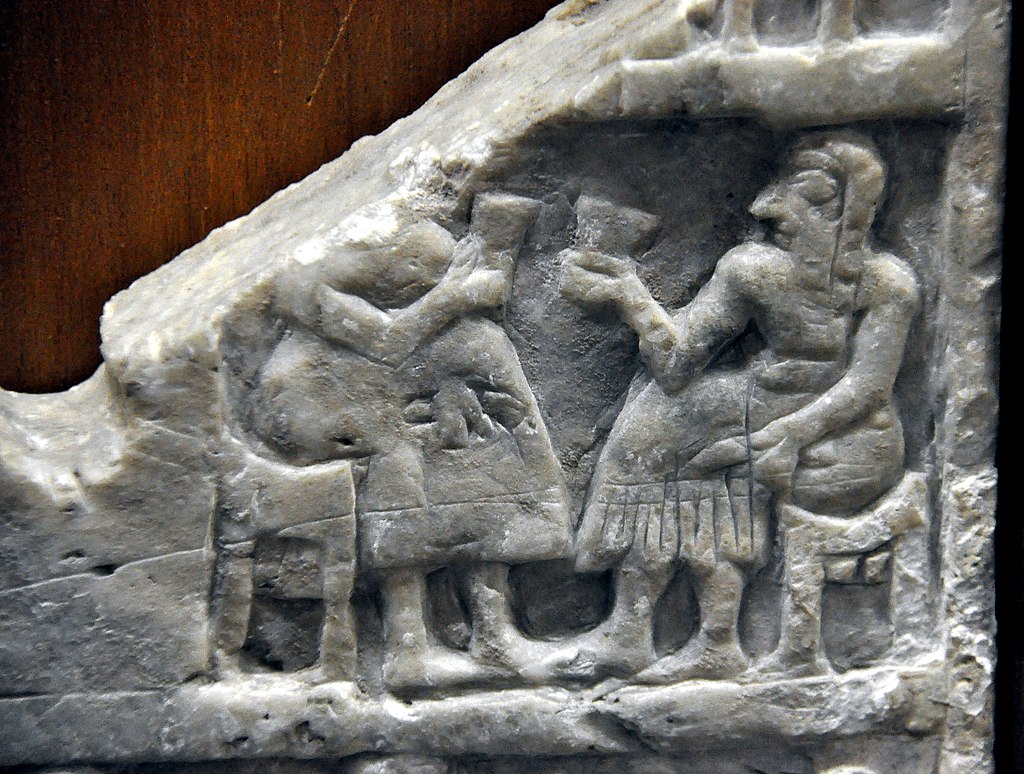
Introduction Mesopotamia was the birthplace of beer, one the main products that would not be possible without yeasts. It became one of the most important and elaborated drinks during that period, and its power was attributed to a goddess, Ninkasi. Goddess Ninkasi Ninkasi was the main Mesopotamian goddess of beer and brewing, and her name […]
 English
 Spanish