
The alternative to fermentation: Respiration in yeasts
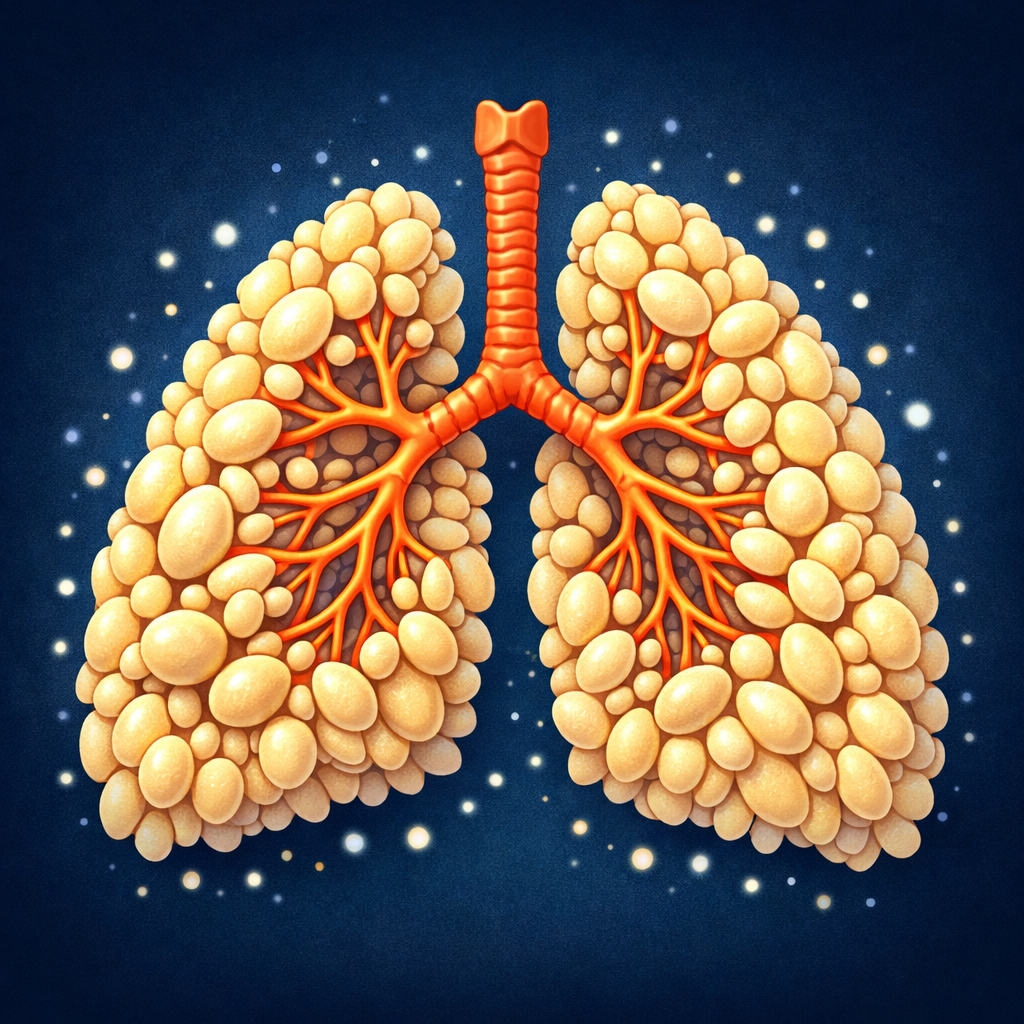
The concept of breath has been associated with life force in many cultures around the world, from the Greek pneuma to the Maori Hā, or the Inuit Anirniq. The scientific study of breathing began in 1777, when Lavoisier identified the gases important for our breath: oxygen is consumed, and carbon dioxide is produced. Unlike humans, […]
Fermentation and Human Evolution: The Hidden Role of Yeasts Shaping Our Brains
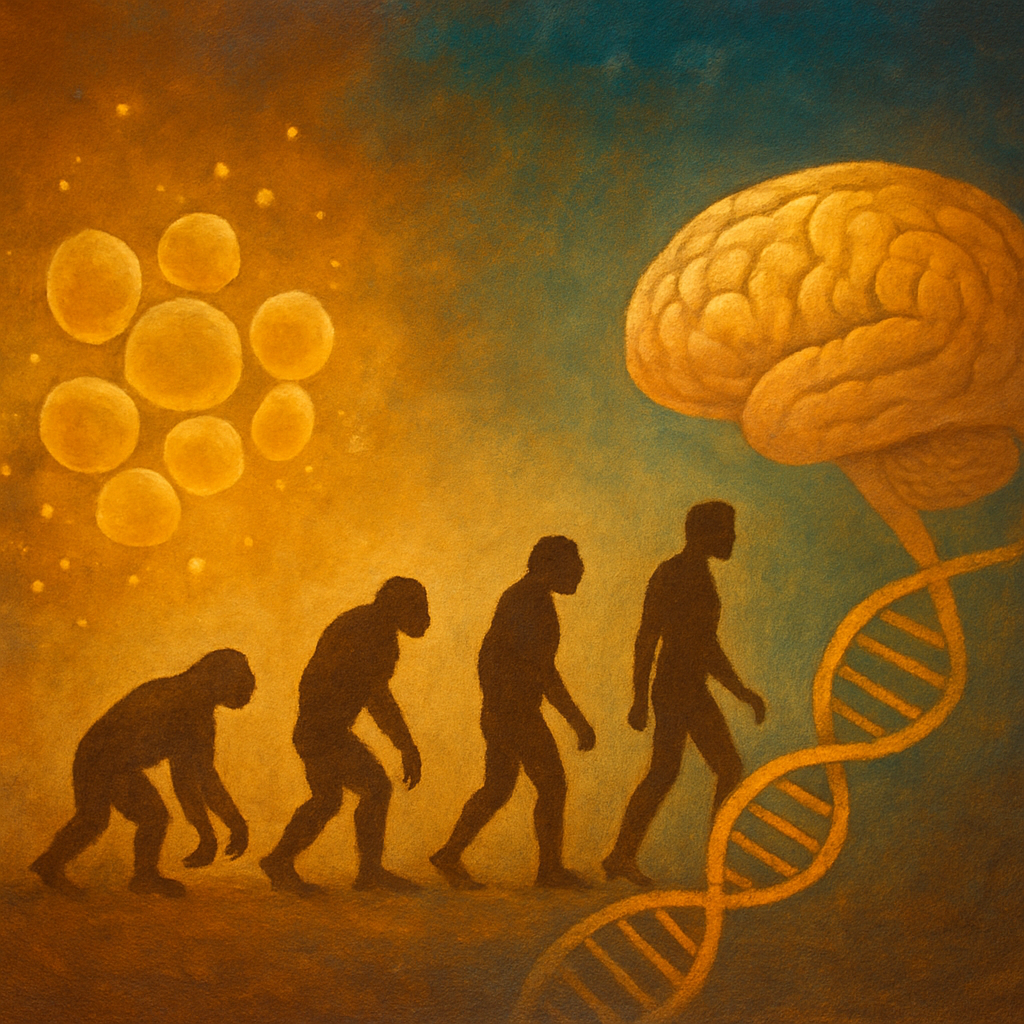
The search for archaeological remains of fermentation aims to find the first culture to control fermentation processes. Whether this or that culture achieved this or that fermentation milestone first will always be difficult to prove, but what is definitely true is that alcohol fermentation has originated independently across different societies. Anthropological and archaeological research show […]
Agricultural biotechnology: Powering plants with yeasts
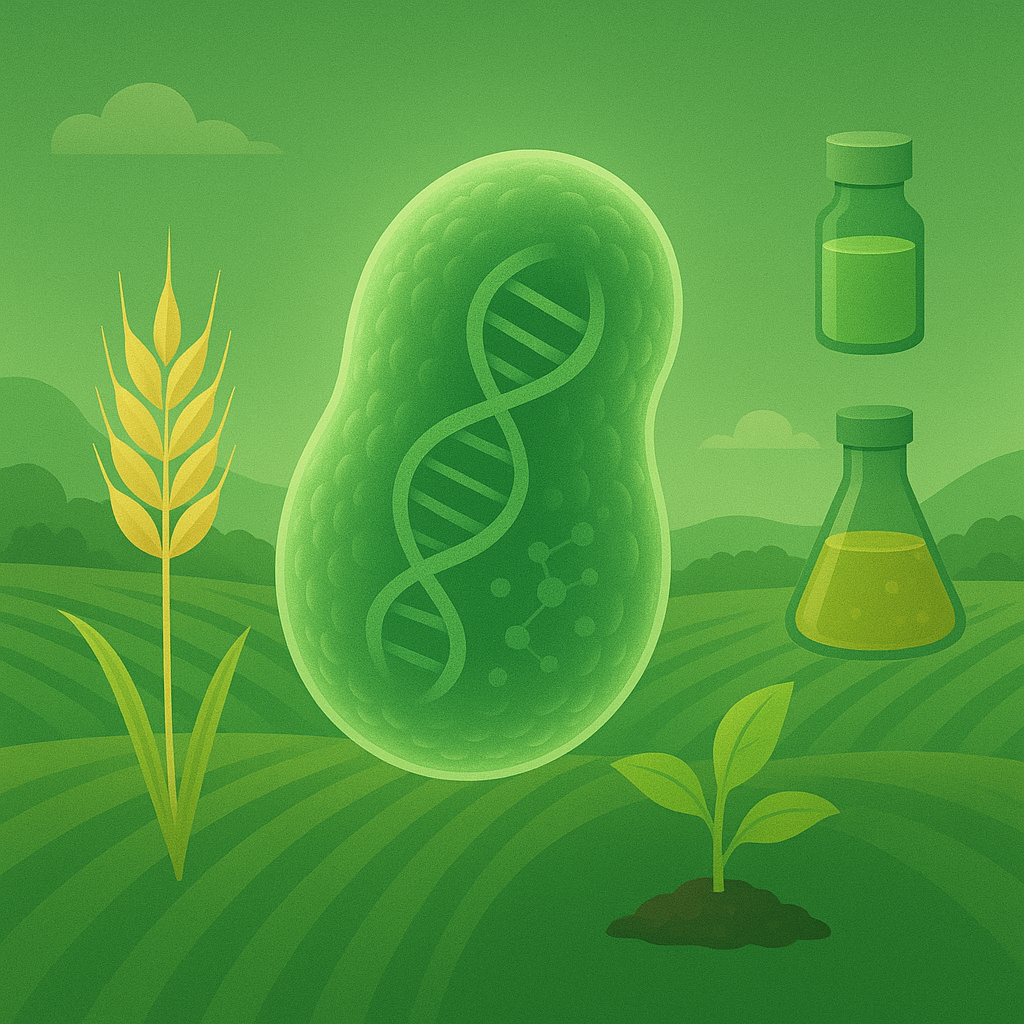
Biofertilizers, biostimulants and biopesticides The Green Revolution Treating plants with yeasts might substitute unsustainable agricultural practices caused by the “Green Revolution”. To understand why this matters, it helps to look back: agriculture has appeared independently around the world at different times. There has been debate around why humans tended to develop agriculture systems, but nowadays […]
Deciphering fermentation steps
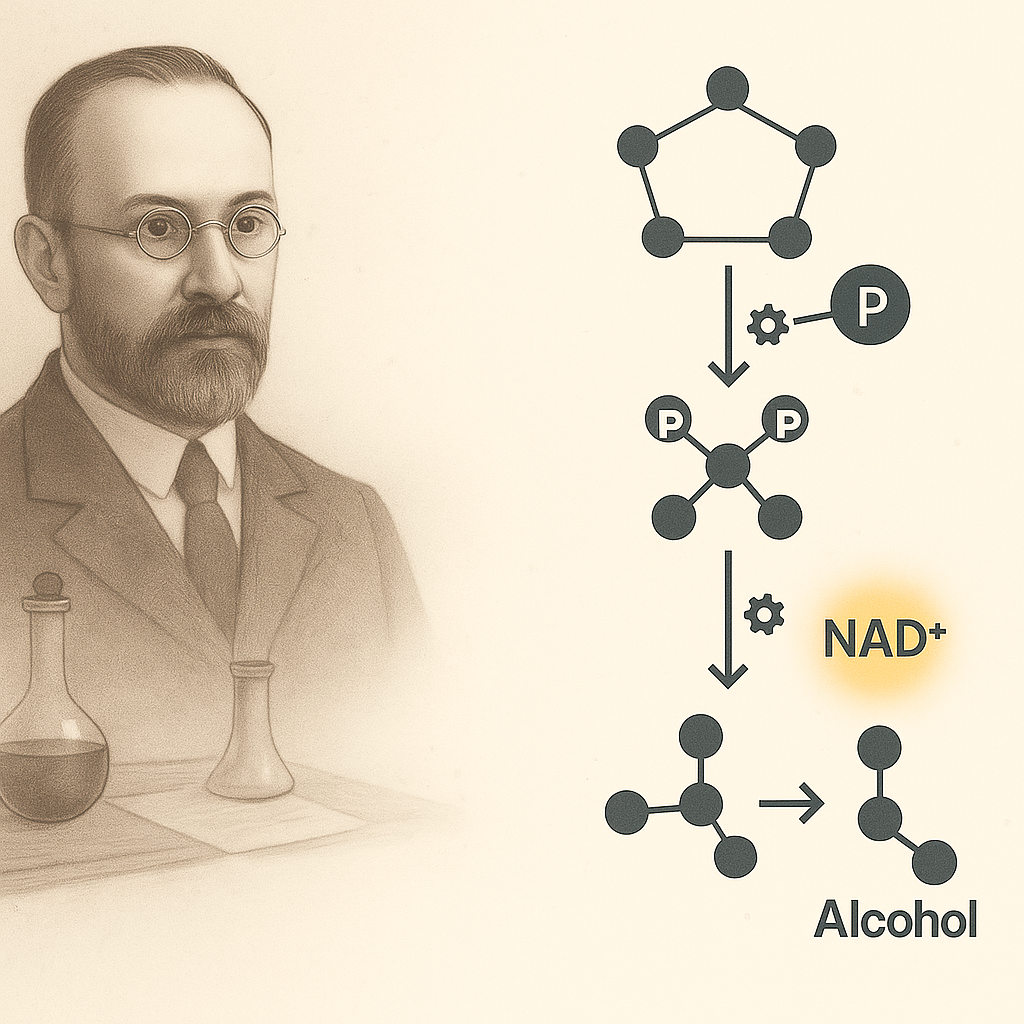
In 1897, Buchner used a cell-free extract from yeast to carry out fermentation. This was a breakthrough that showed that chemical reactions associated with life did not depend directly on the presence of a living organism. Buchner called the extract zymase, with the idea that there was just one component responsible for transforming sugar into […]
Active Dry Yeast: From Mummification to Resurrection
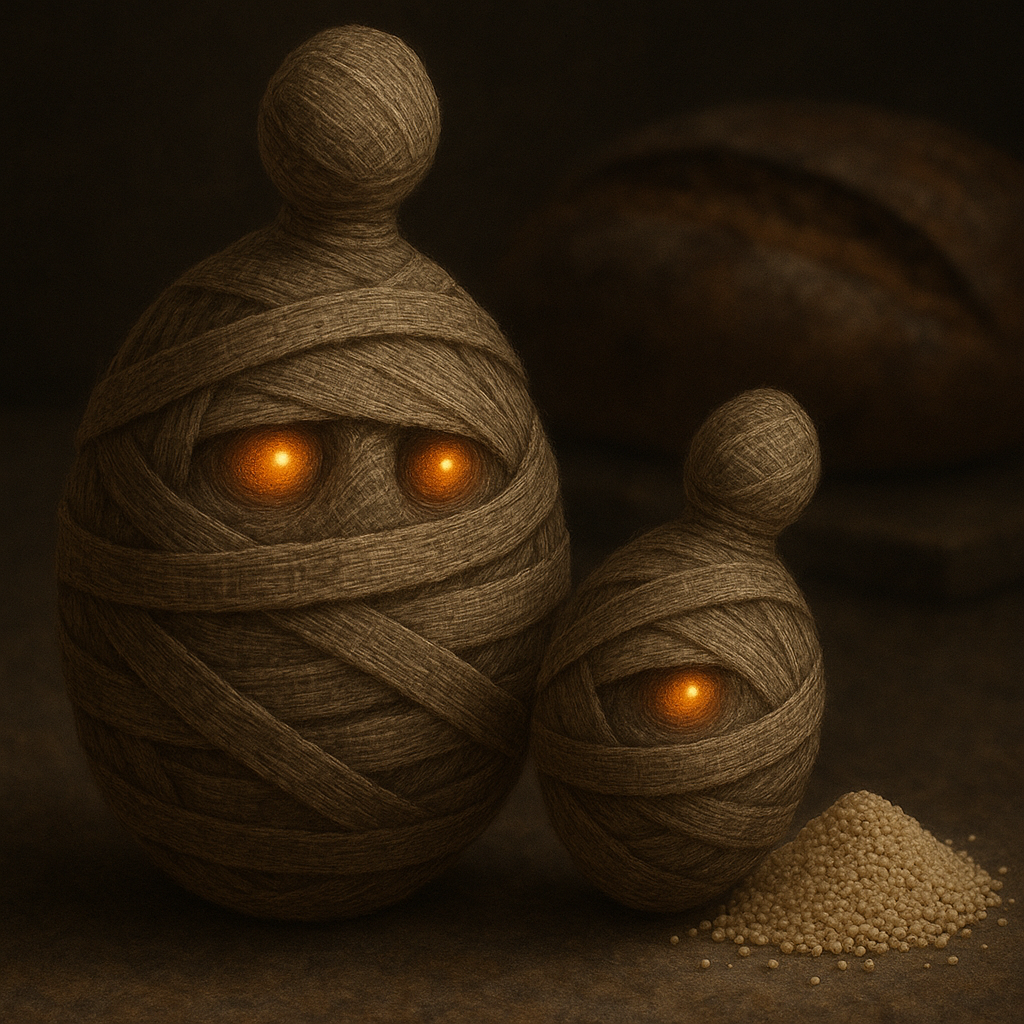
The use of dry yeast in bakery and beyond has many economic advantages. However, without control, dried yeasts normally die and become inactive. This limitation led to a race to develop processes to maintain yeast life during desiccation and rehydration, to produce good-quality Active Dry Yeast. This path was not easy, though, and while plenty […]
Yeast and Mold in Chinese alcohol fermentation
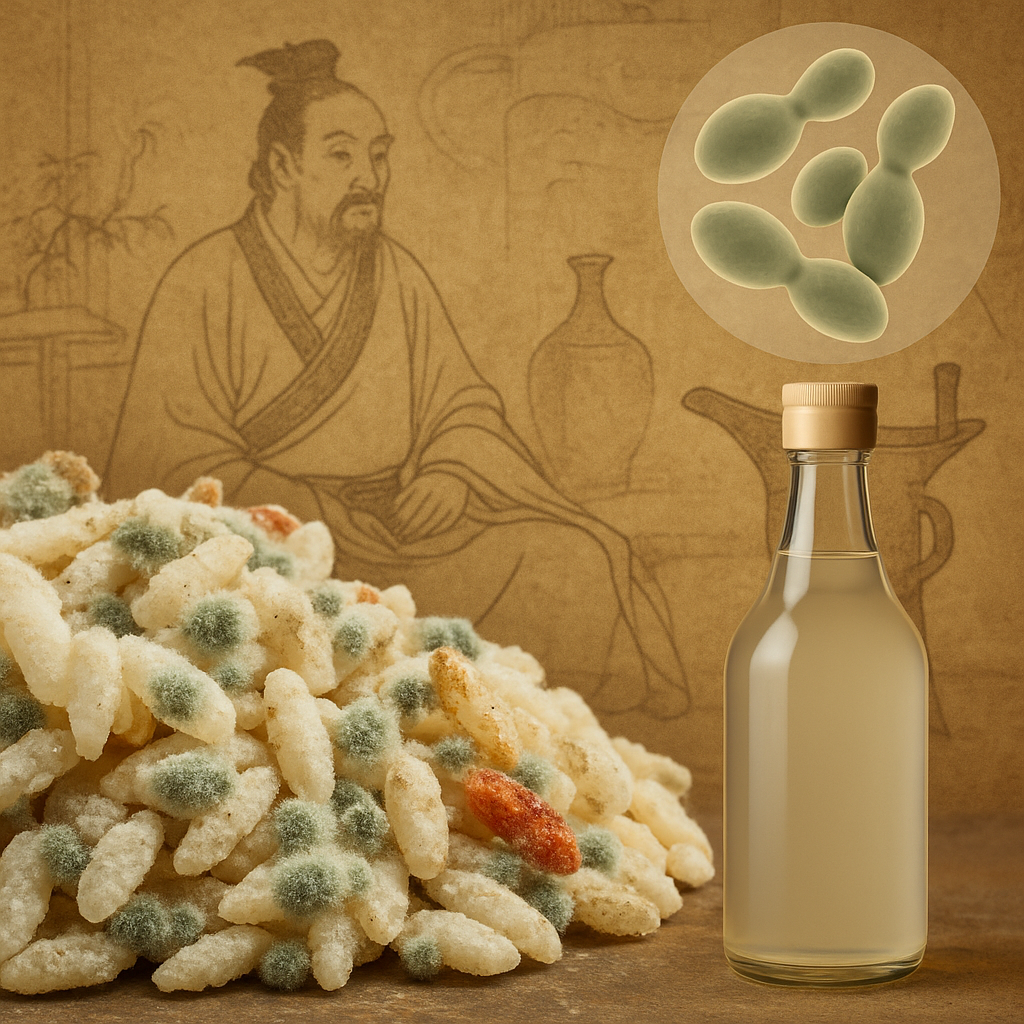
During the last years, it has become clear that East Asia is the place of origin for baker’s yeast. It may not be then a coincidence that one of the earliest records of alcohol production come from China, even if alcohol production has been developed in different parts of the world independently. Alcoholic beverages from […]
Shining light on yeast cell division
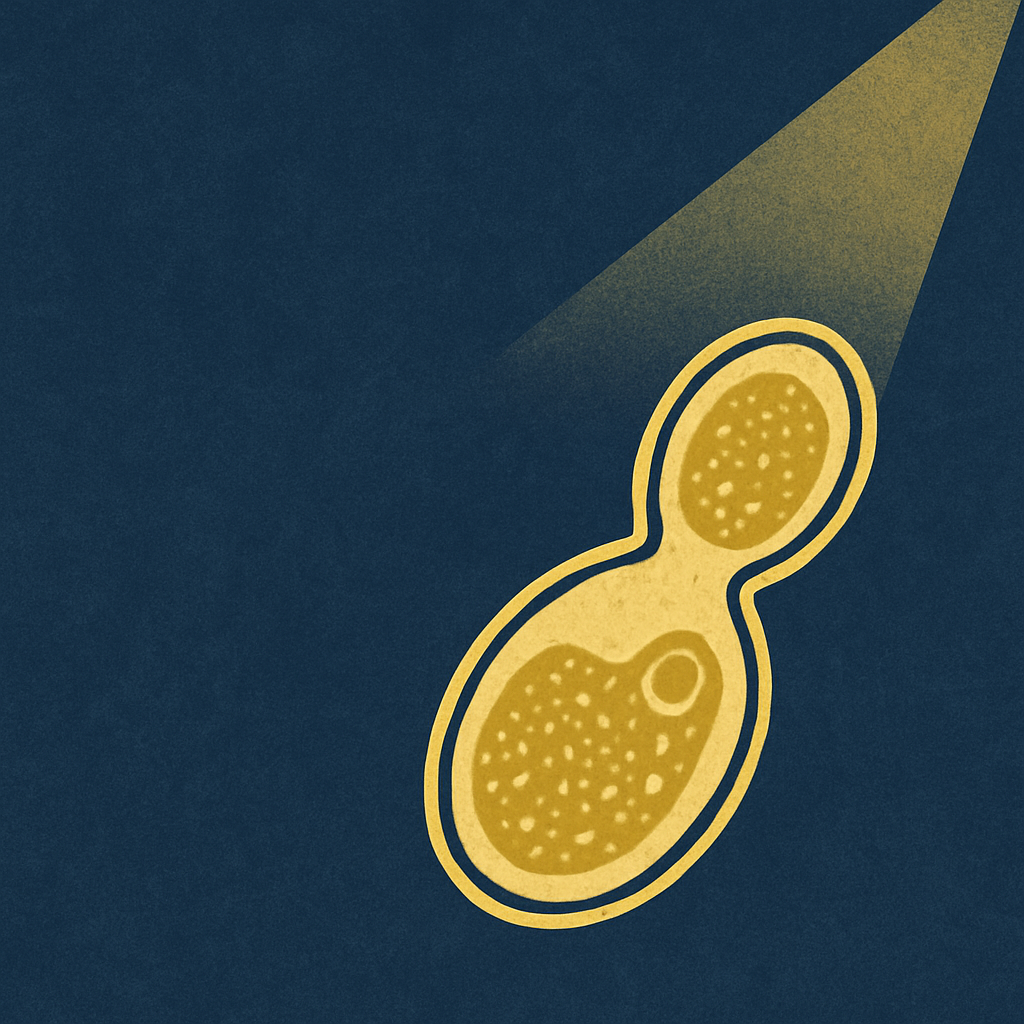
The first half of the 20th century saw scientists scratch their heads trying to figure out yeast cell division. A big part of the confusion was the limitations in microscopy, which relied on dyes to make cellular structures visible. The dyes that were used to stain the nucleus and the genetic material in animals and […]
The Natural History of Baker’s Yeast
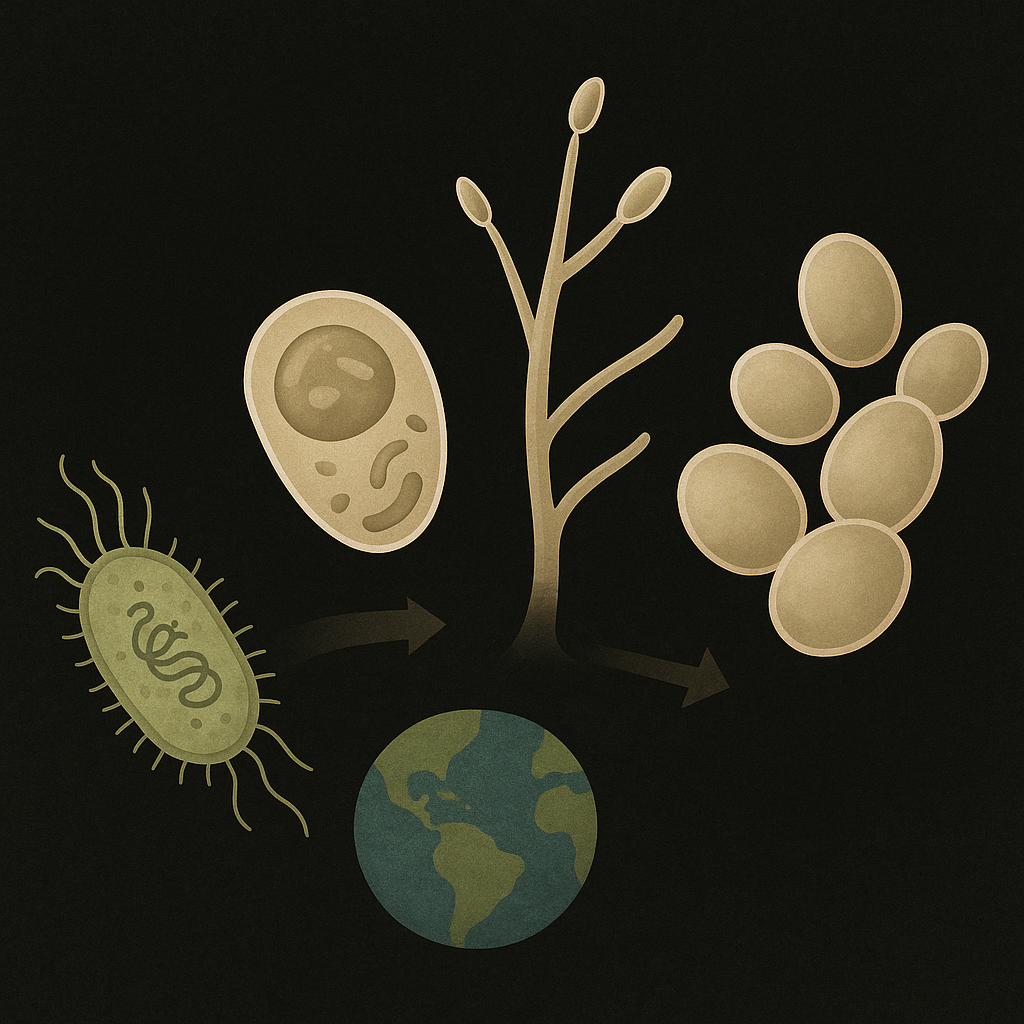
Almost all articles in this blog highlight the special relationship between humans and yeasts, particularly baker’s yeast. While this partnership has been going on since the start of human civilization, humans did not create baker’s yeast and in fact, yeasts have been here for a much longer time. Here is the story of baker’s yeast […]
Sexually Confused Yeasts: Unraveling Their Mystery
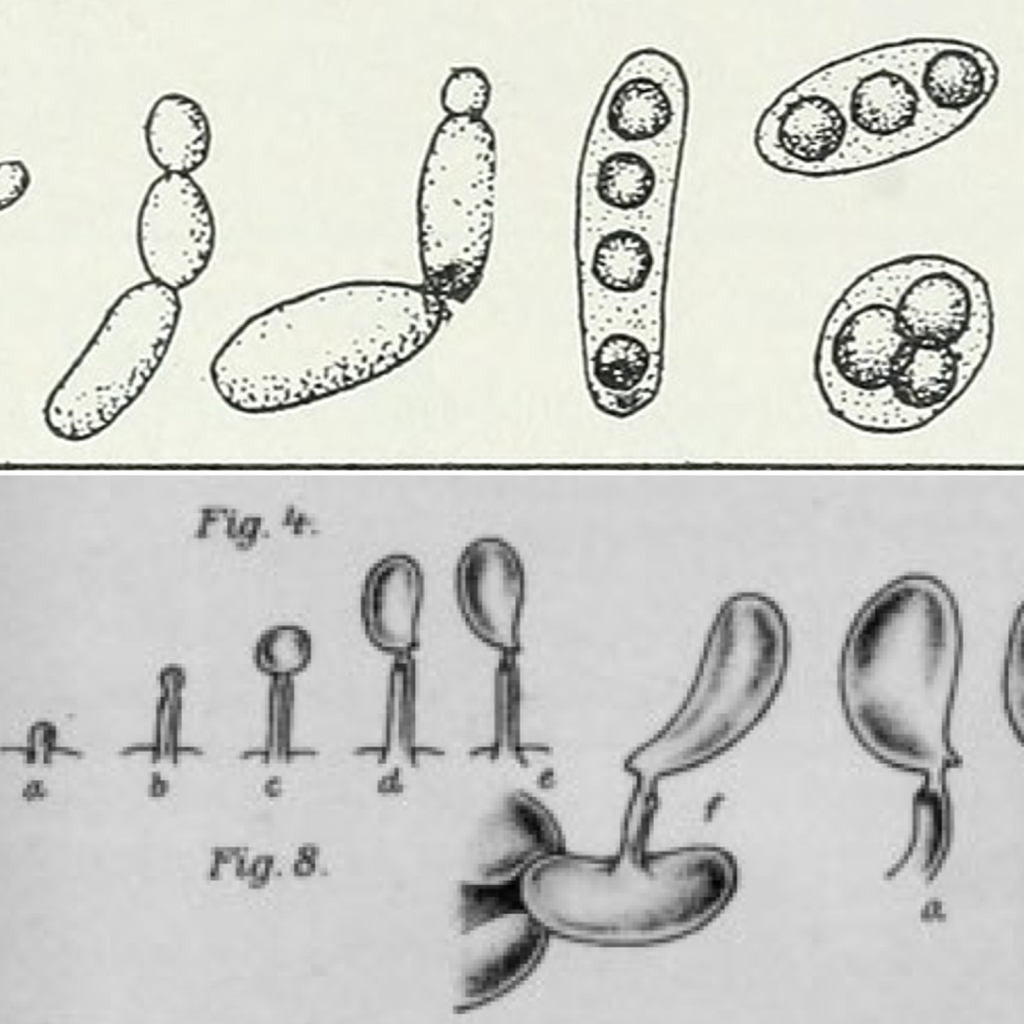
Sometimes, scientific progress is not as straightforward as most people think. Experimental evidence is not a guarantee of definitive results, and this is what happened for 70 years in yeast research. A particular field in which this happened was the description of cell division and sexual reproduction in yeasts. Chromosomes had already been observed under […]
Fighting environmental pollution with yeasts
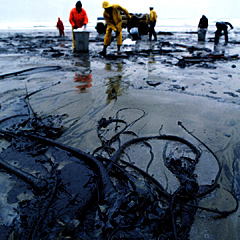
Paracelsus, the father of toxicology and a medical pioneer from the Renaissance, said “Sola dosis facit venenum” which is translated into “Only the dose makes the poison”. This is not true in all cases (like for carcinogenic substances), but it does link to different ways our bodies can take care of certain quantities of toxins. […]
 English
 Spanish